<img height="1" width="1" style="display:none" src="https://www.facebook.com/tr?id=786897638174755&amp;ev=PageView&amp;noscript=1">

Maintaining On-Time, In-Full (OTIF) delivery becomes more difficult as operations expand due to disconnected systems, limited visibility, and unreliable Inventory or order data. Businesses can improve OTIL performance by extending QuickBooks with Order Time’s Inventory Control and order management platform.

26-04_OT_white-paper

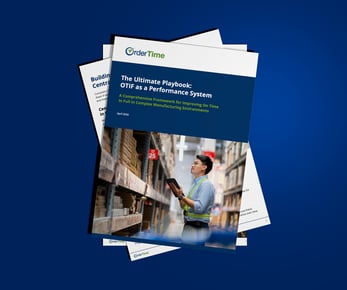
OTIF as a Performance System: A Strategic Shift

This guide outlines how businesses can build the right data foundation, workflows, and reporting structure to improve OTIF performance without the cost or complexity of a full ERP system.


What’s Inside:
  • Why OTIF breaks down as operations scale, and systems become disconnected
  • The hidden drivers behind late, incomplete, or inconsistent order fulfillment
  • How to build a centralized data foundation using Order Time with QuickBooks
  • Practical steps for designing workflows that support consistent OTIF execution

Download now

Frequently Asked Questions

What does OTIF measure?
OTIF, or On-Time, In-Full, measures how reliably a business delivers orders exactly as promised. It looks at timing and completeness to show whether customers receive their orders when expected.
Why does OTIF performance decline as businesses grow?
Disconnected systems and processes often become problematic when order volume increases. Inventory errors, inconsistent workflows, and limited visibility make it harder to stay organized, leading to late, partial, or incomplete shipments.
How does Order Time help track and improve OTIF?
Order Time centralizes Inventory and order data on a single platform, providing teams with a single source of truth. Flexible tracking, multiple promise dates, and reporting tools make it easier to spot gaps, identify trends, and implement workflows that support consistent OTIF performance.